
UAE to Pakistan corridor
Power of Attorney From the UAE to Pakistan
A power of attorney from the UAE to Pakistan cannot be apostilled here, so it is drafted in Arabic and goes through the notary and consular route. What decides acceptance is whether every name and number matches the record at the far end.
- Names copied from documents
- Numbers checked twice
- Certified Arabic translation
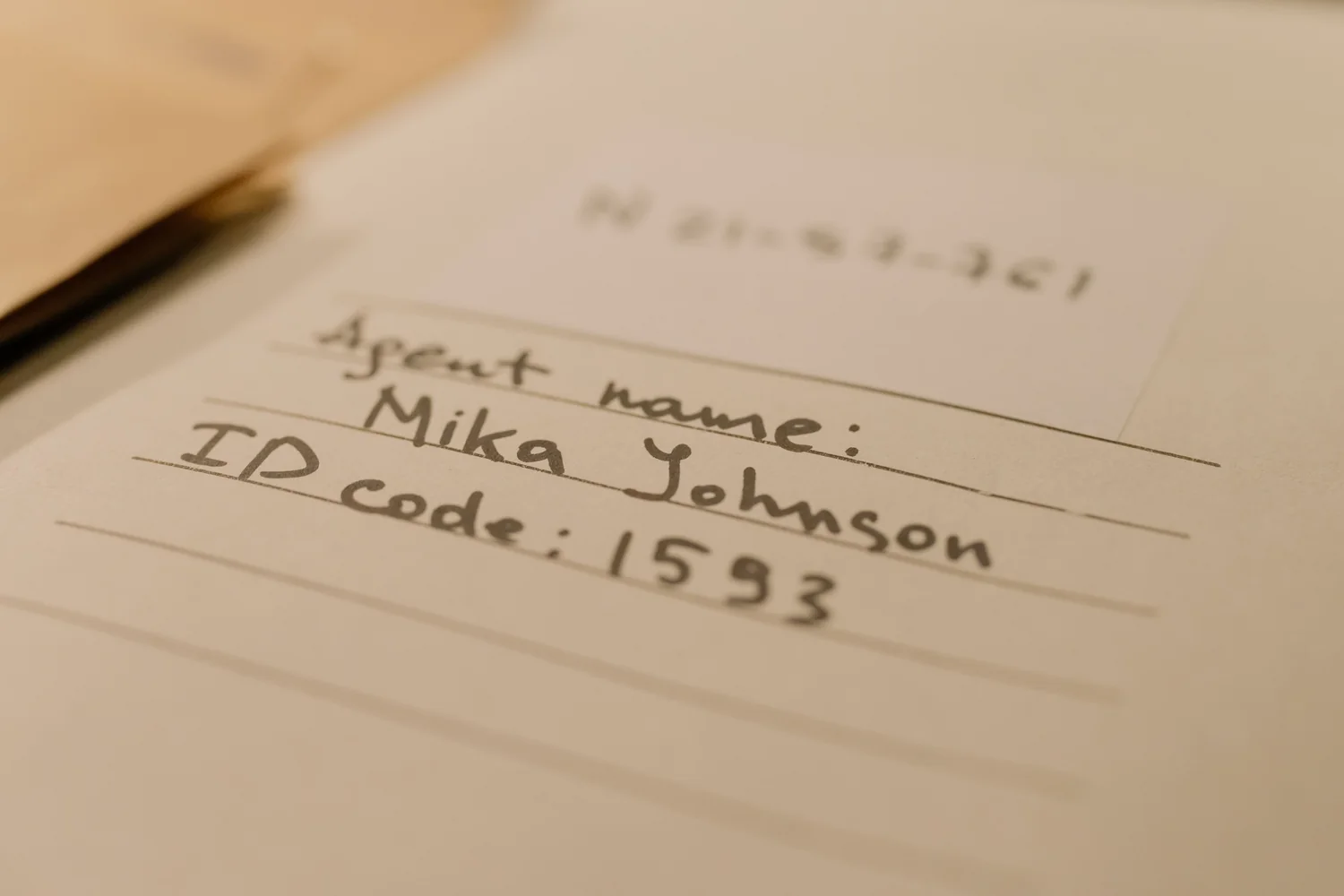
What decides whether it is accepted
You sign an Arabic instrument here, a notary public ratifies it, and it is attested before it travels. What settles the outcome is whether the names and numbers on the deed match the document the receiving office already holds.
Apostille
None, the UAE issues no apostille
Language of the deed
Arabic, plus a signed certified translation
What we check first
Every spelling against the scans you send
One person, three spellings
Your deed is written in Arabic. You prove who you are from an Emirates ID or a passport, both in Roman letters. The record at the far end holds your name in its own form. Three documents, three renderings of one person, and the office in Pakistan who will receive the deed compares it against the one it already holds.
The rule we work to
Write the name exactly as it appears on the document held at the far end. Not as you sign it, not as it sounds, not as somebody spelled it on a form last year. Where the passport genuinely differs, both spellings go in, with the passport one identified as the passport one.
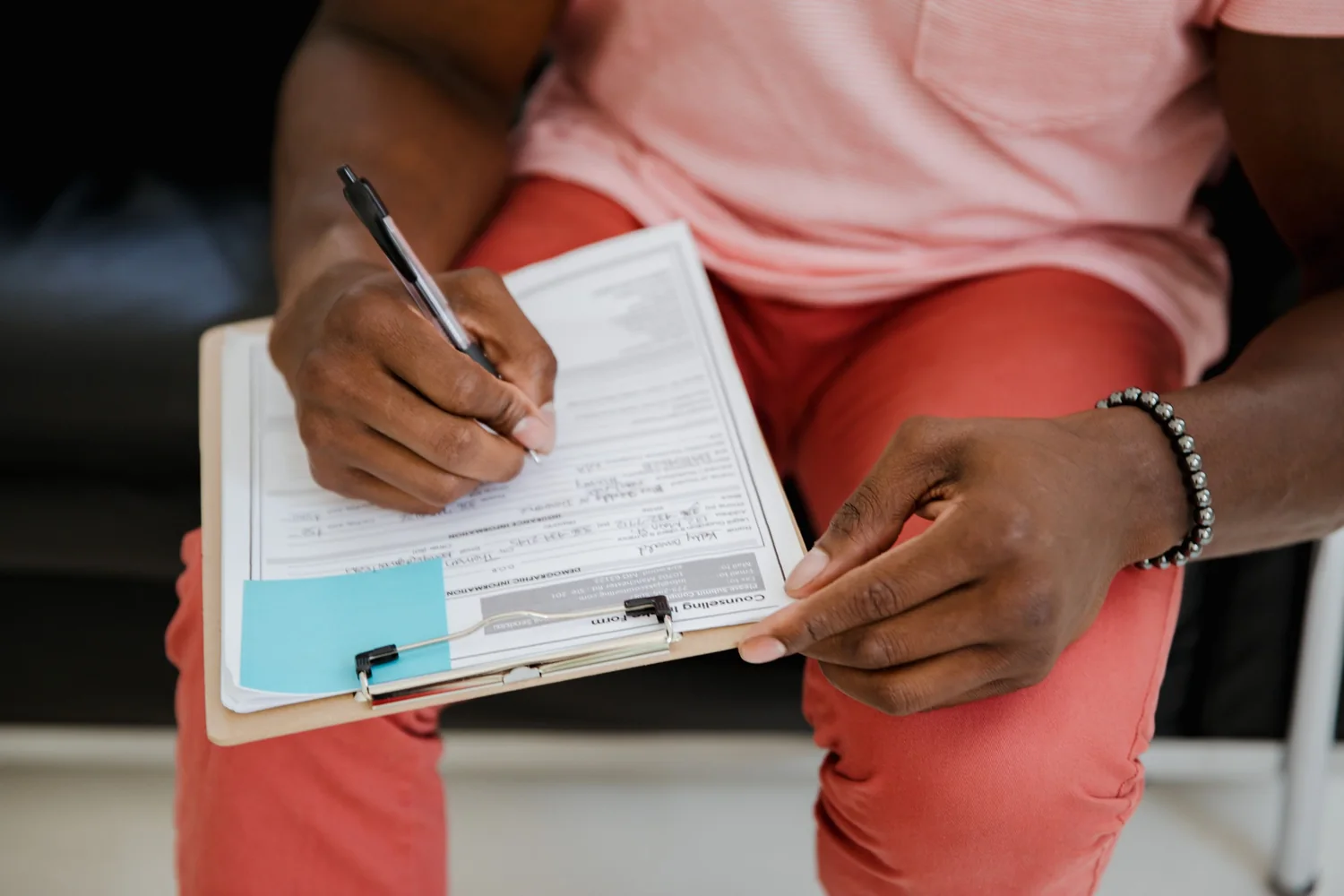

How the deed gets from here to there
Four stages, and the first is not paperwork. A spelling settled afterwards means a second deed and a second set of fees.
1
Ask the receiving office first
Find out from the office in Pakistan who will receive the deed exactly how it holds your name, your father’s name, and the number on the property, the account or file. We are not qualified in Pakistani law and will not guess at it. Send us what they tell you in writing.
2
Drafting, then the Arabic version
We write it around the single act that has to happen. An agency may be general, special, conditional, or deferred to a future time, and anything past management and preservation needs a special agency naming the type of act. In Dubai another language is accepted only with a translation by a certified translator, both versions signed by the parties, under Dubai Law 4/2013 Article 27.
3
Signing before a notary public
Ratification is the notary’s act, never ours. The notary verifies identity by reviewing an ID card, a passport or another official document issued by the State, checks capacity and consent, and reads the content out before you sign. Where the notary is not familiar with your language, an interpreter from the Ministry’s Interpreter Register is engaged.
4
Attestation, then the consular step
The Ministry of Foreign Affairs attests the signatures and seals, under the service it names Attestation of Official Documents and Certificates, and publishes AED 150 for Individual Affairs documents and AED 2,000 for Commercial ones. The last stamp applied in the UAE is the consular one, and what that mission wants to see is set by the receiving side, not by UAE law.
Our part in the process
The ratification is carried out before a notary public. Our lawyers and legal consultants draft the deed, arrange the legal translation, check every name and number against the documents you send, and attend the appointment with you. In Dubai the notaries public sit under Dubai Law 4/2013 and Dubai Courts.
We are also not qualified in Pakistani law, and nothing on this page states any. No Pakistani office, form, fee, register or timescale appears here, because we have not verified one and will not invent one. What the office in Pakistan who will receive the deed requires is a question for that office. Ask them, and we write the deed to match.
The spellings and numbers we pin down
Six details that have to read the same on the deed and on the document held at the far end. A seventh is the term, since UAE law sets no general fixed period: an agency ends when the work is complete, when the term in the deed expires, or on a death or loss of legal capacity.
- Your full name exactly as the document held at the far end writes it, with the passport spelling added where the two differ.
- Your father’s name in the same form that document uses, since a name alone rarely identifies one person on a record.
- The name of the person acting for you, taken from the identity document he will present, not from how you address him.
- The number on the property, account or file, written once in figures and once in words, so the two check each other.
- The address written out in full, in the form the receiving office holds it, not shortened to how you would say it.
- The act itself, named in the words the law uses, since an agency expressed in general terms grants only acts of management.
Two ways the details reach us
Both take a minute of your time. Only one of them survives a comparison at the counter on the other side.
Copied from a document
A scan, and we read it back
You send the deed, the statement or the file page as a PDF. We take the name and the number straight off it and read them back to you.
Typed from memory
A message, and a guess
You type the spelling as you remember it. One letter moves, a middle name drops, a digit transposes, and the far end is holding a different person.
Send us scans, not spellings
Three sets, as clean PDFs. Let us take the details off the page rather than off a message, and nothing should be laminated.
You, the principal
You attend the signing
- Emirates ID
- Passport, or another official document issued by the State
- Any document showing your name as the far end holds it
- Your father’s name in the form that document writes it
The person acting for you
He does not travel here
- A scan of the identity document he will present
- His full name exactly as that document prints it
- His father’s name, in the same form again
- Emirates ID number, only where he holds one
The matter itself
This sets the wording
- The paper identifying the property, the account or the file
- The number on it, for writing in figures and in words
- The address exactly as that paper writes it out
- Clean PDF scans, and nothing laminated
Where a deed and a record drift apart
A refusal means walking the whole route again. These are the drifts we look for, and what we set against them.
- A name put into Arabic by ear, then turned back into Roman letters by somebody else
- A father’s name shortened or left out, so the record cannot be tied to one person
- A plot, account or file number right in figures but never written out in words
- That a special agency is used where the law requires one, naming the type of act and the dispositions it entails
- That every name, number and address reads the same on the Arabic and on the translation, both of which you sign
- That the law relied on is current, since the 1985 Civil Code was repealed by Federal Decree-Law 25 of 2025 and Article 955 no longer applies
Frequently asked questions
The questions we are asked most often on this one.
My name is spelled two different ways. Which one goes in the deed?
The one the office in Pakistan who will receive it already holds, because that is the spelling it will compare the deed against. Where your passport shows something different, both can appear, with the passport spelling identified as the passport spelling. Send us a scan of each document rather than typing either one out.
Why does my father’s name matter on a power of attorney?
Because a name on its own rarely identifies one person on a record. Where the document held at the far end carries a father’s name, the deed should carry it in the same form. A shortened version, or none at all, can leave the receiving office with two candidates and no way to choose.
I do not read Arabic. How do I know what I am signing?
The notary reads the content of the transaction out to you and reveals its effects before you sign, and verifies your capacity and your consent. Where the notary is not familiar with your language, federal law has an interpreter from the Ministry’s Interpreter Register engaged. That is separate from the written translation, and on this route both matter.
Why write the property or account number in words as well as figures?
Because one transposed digit turns a correct number into somebody else’s. The number goes in once in figures and once written out, so the two check each other, and the translation carries both the same way. We take it off a scan of the document rather than from a message, for the same reason.
The checklist I was sent asks for an apostille. What do I do?
Go back to whoever sent it. The UAE is not a contracting party to the 1961 Apostille Convention, so no authority here can issue an apostille on anything, whatever a typing centre tells you. The deed goes through notarisation and the attestation chain instead. Ask the receiving office what it will accept in place of that word.
Which identity document does the notary check against?
Federal law has the notary verify identity by reviewing an ID card, a passport, or any other official document issued by the State. The same article has the notary check capacity and consent and read the instrument out. A residence visa copy is not a requirement we can point to in any official source.
Which official fees apply to the notarial part?
The federal schedule sets AED 100 per party to execute or notarise a general or special power of attorney, AED 50 for each page of translation notarised in the instrument, AED 200 per party to authenticate signatures in an instrument of unspecified value, and AED 300 for an affidavit. A private notary adds 30 per cent, so AED 130 per party. Dubai Courts publishes its own under Dubai Law 4/2013.
If I cancel it later, does the spelling matter there too?
Yes. The principal may revoke or restrict the agent’s authority at any time, unless the agency involves the right of a third party or was issued in the agent’s interest. Revoking the principal agency revokes any sub-agency under it. The revocation names the same person the deed named, so the spellings have to agree there too.

Start here
Tell us what the far end holds
Start with the office in Pakistan who will receive this, and with what it already holds: the spelling of your name, your father’s name, and the number on the property, account or file. Send us scans rather than typing the details out. We draft the deed around them, provide the certified Arabic translation, check both versions and attend the notary appointment with you.
Tell us what the document has to do
Say who will receive it and what you need it to allow, and you will get a straight answer on the wording, the government fees and what to bring. You can also send it through the contact form.
Call us
Speak to the person who will handle your file and get an answer on the same call.
Send photographs of your passport, your Emirates ID and anything the matter attaches to.
Best for a company matter, or anything that runs to several documents.
Visit the office
Jebel Ali area, Sheikh Zayed Road, Dubai. Come in, or have it handled remotely and only turn up to sign.
Opening hours. Monday to Thursday, 9:00 to 18:00. Friday, 9:00 to 12:00. Saturday, 9:00 to 18:00. Sunday, closed.