
Money owed to you
Power of Attorney for Debt Collection in the UAE
An agent who may only collect your debts can chase the money and agree to nothing. Settlement, acknowledgment, arbitration and pleading are each named in Article 870, and a deed that names none of them reaches none of them.
- Each act named
- Receipt and discharge settled
- Arabic drafting and translation
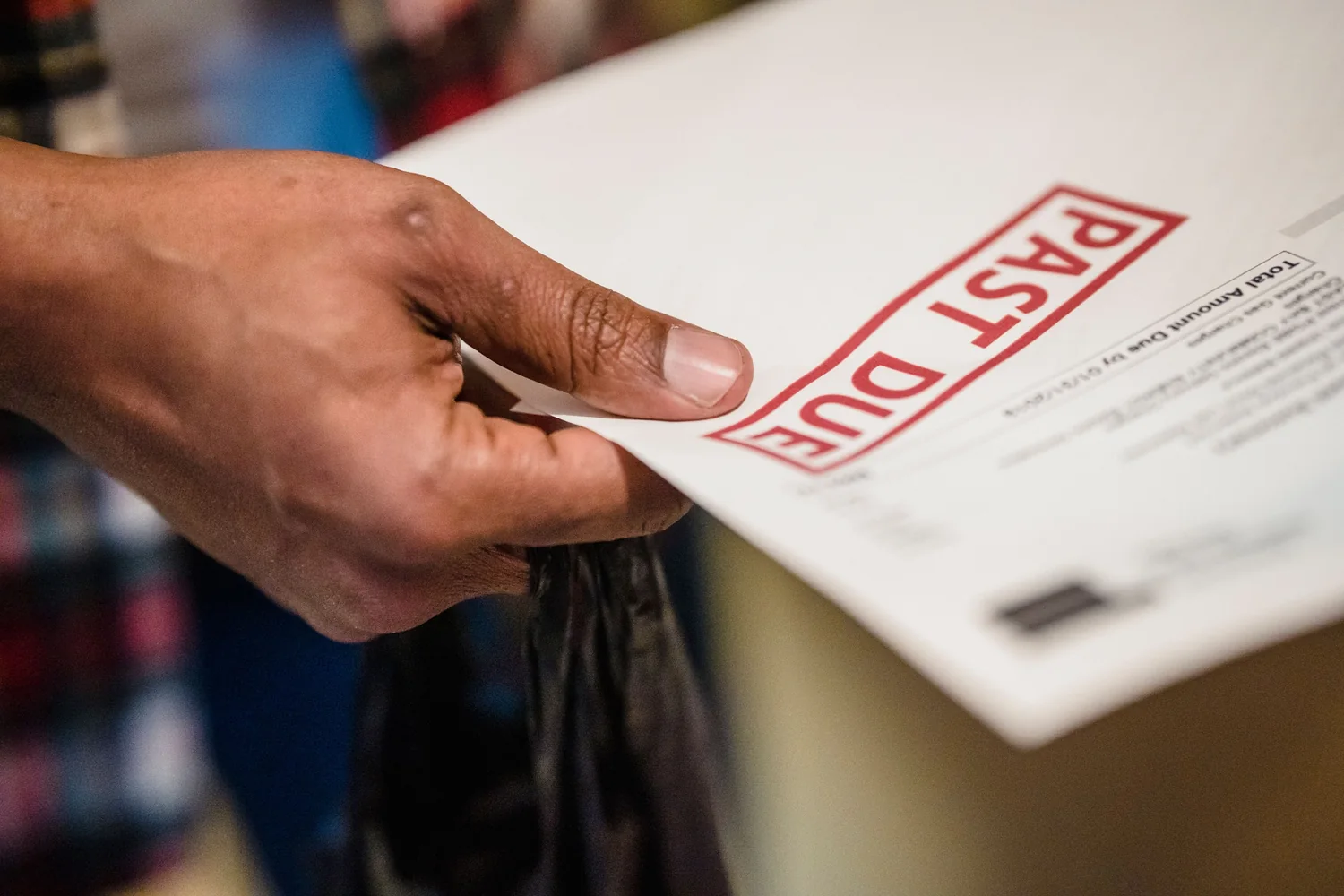
Debt collection authority at a glance
A power of attorney for debt collection is a special agency that names each act the agent may perform about money owed to you, because an agency written in general terms grants only acts of management. Chasing, settling, acknowledging, arbitrating and pleading are separate acts, and each one has to be written in by name.
Agency type needed
Special, with each act named
Governing articles
870 and 871, Federal Decree-Law 25/2025
Federal notary fee
AED 100 per party to the deed
Collect my debts is not an authority
Those three words look like an instruction, and they work like one right up until the debtor answers. He offers less than the full sum. He says part of the claim was never owed at all. He points at the arbitration clause in the contract he signed. Each of those answers is an act that Article 870 names on its own, and a deed reading collect my debts has named none of them.
Article 870(1), Federal Decree-Law 25 of 2025
Any act that is not an act of management and preservation requires a special agency specifying the type of act and the dispositions it entails, particularly in donations, sale, settlement, mortgage, acknowledgment, arbitration, administering and accepting an oath, and pleading before the court.

What a power of attorney for debt collection actually is
It is an agency contract. You are the principal, the person you name is the agent, and the deed sets out what that agent may do about money owed to you. It is ratified before a notary public, in Arabic, and the notary verifies identity, capacity and consent and reads the content out before ratifying it. Agency now sits at Articles 866 to 903 of Federal Decree-Law 25 of 2025.
Which matters, because a great deal of the collection wording still in circulation cites Article 955 of the 1985 Civil Code. That law was repealed by the 2025 decree-law, so the article is not there to be relied on. The live provisions are the ones on this page: Article 870 for the acts a special agency has to name, Article 871 for what general wording reaches, and Article 898 for revoking.
Acts the text has to spell out
Article 870 asks for the type of act and the dispositions it entails. On a debt that means naming the acts one at a time, in the terms the article uses, rather than describing the outcome you would like to end up with.
- Demanding the sum due from a named debtor, in writing and in person
- Settlement, so the agent may agree a figure lower than the one claimed
- Acknowledgment, so the agent may accept that part of the claim was never owed
- Arbitration, where the agreement behind the debt sends a dispute to an arbitrator
- Pleading before the court, if the claim is going to be argued rather than agreed
- Receiving payment and giving a discharge for it, with the account it is paid into
Two jobs people put in one sentence
Both can live in the same deed, but they are not the same authority and they do not carry the same consequences. We ask which of the two you actually want before a word is drafted.
Chasing the money
Asking for what is owed
The agent contacts the debtor, states the sum and asks for it. Nothing about the claim itself changes, and this is the part most short deeds were written for.
Settling for less
Changing what is owed
The agent agrees a smaller figure, or accepts that part was never due. Article 870 names settlement and acknowledgment separately, so neither happens unless the deed names it.
Who may actually take the money
Article 870 lists the acts that have to be named, and receiving payment is not one of the examples in it. That is the reason to settle it in the text rather than leave it to be read into wording that never mentions it.
- Authority to collect, with no line anywhere in the deed on who the money is paid to.
- A deed silent on whether the agent may sign a receipt or give the debtor a discharge.
- An instruction to recover the debt, where the sum, the debtor and the agreement behind it are never identified.
- The account the money is to be paid into, named in the deed rather than agreed later.
- Express authority to receive payment, and to give a discharge for the amount received.
- The debtor, the sum claimed and the agreement it arises from, each identified in the text.

From the debtor’s name to the ratified deed
Four steps, and the first two decide everything the deed can say. Nothing goes into the Arabic text until both of them are settled.
1
We take the facts of the debt
You tell us who owes the money, how much is claimed and which agreement it comes from. The wording is built around those facts, because an authority that names nothing reaches nothing.
2
We agree the acts you want covered
Chasing only, or chasing with power to settle, acknowledge, arbitrate and plead. Each act you want is written in by name, and anything you do not want is deliberately left out.
3
We draft it and prepare the Arabic
Our lawyers and legal consultants write the special agency wording and prepare the Arabic text, working with a legal translator registered with the Ministry of Justice where a translation is needed.
4
You attend and the notary ratifies it
You sign before a notary public, who verifies identity, capacity and consent and reads the content out. The ratification is carried out before a notary public.
Papers that make the wording accurate
Send these across before drafting starts. The identity documents are set by law, and the debt papers are simply how the deed gets written correctly the first time round.
From you, the creditor
Whoever grants the authority
- Emirates ID, or a passport if you are not resident here
- Trade licence where the creditor is a company rather than a person
- Identity document of the person who will sign for that company
- Contact details we can reach you on while the drafting runs
About the agent
Whoever will act on it
- Emirates ID number, or a copy of the Emirates ID card
- Passport copy where the agent is outside the UAE right now
- Full name spelled exactly as the identity document spells it
- Confirmation from the agent that he has agreed to act
The debt itself
What the deed is built on
- The agreement, invoice or acknowledgment the claim arises from
- The debtor’s full name, and the trade licence if it is a company
- The sum you are claiming, written as you want it to read
- Any arbitration clause in the agreement behind the debt
Frequently asked questions
The questions we are asked most often on this one.
Can a general power of attorney be used to chase a debt?
Only as far as acts of management reach. Article 871 says an agency expressed in general terms, without specifying what is intended, grants the agent the power to perform acts of management only. Asking a debtor for payment may sit inside that. Agreeing a lower figure does not, because settlement is named separately in Article 870.
What happens if the debtor offers less than the full amount?
That offer is a settlement, and settlement is one of the acts Article 870 names. If the deed gives the agent no power to settle, the agent can carry the offer back to you but cannot accept it on your behalf. If you want the agent able to close on a lower figure, the deed has to say so.
Can my agent agree that part of the claim was never owed?
Not unless the deed names acknowledgment. Article 870 lists acknowledgment separately from settlement, and they do different things. A settlement changes what gets paid. An acknowledgment accepts something about the claim itself. A deed that grants one does not automatically grant the other, so both are written in or left out on purpose.
Can the agent receive the money on my behalf?
Only if the deed says so in terms. Article 870 does not name receiving payment among its examples, which is exactly why leaving it to general wording is a poor idea. We write in whether the agent may take payment, whether the agent may give the debtor a discharge for it, and which account the money goes to.
Does the deed reach arbitration if the agreement has an arbitration clause?
Not on its own. Arbitration is named in Article 870 as an act calling for a special agency that specifies the type of act and the dispositions it entails. A deed about collecting a debt does not reach arbitration unless arbitration is written into it, so send us the agreement before anything is drafted.
Can I revoke the deed once the agent has started?
Article 898 lets the principal revoke or restrict the authority of the agent at any time, unless the agency involves a right of a third party or was issued in the interest of the agent. Article 899 adds that revoking at an inappropriate time, or without acceptable justification, can leave you owing the agent compensation.
Does the deed end when the money has been collected?
It can. Article 897 extinguishes an agency on completion of the work entrusted to the agent, on expiry of the term specified for the agency, and on the death or loss of legal capacity of either the principal or the agent. A deed written around one named debt is completed when that debt is paid.
Is the federal notary fee the same one Dubai charges?
The federal schedule sets AED 100 per party to a power of attorney, and AED 50 per page to notarise a translation inside the instrument. A private notary charges the same fees plus professional fees set in the same resolution, which puts the deed at AED 130 per party. Those are federal figures. Dubai’s notaries public sit under Dubai Law 4 of 2013, which carries its own schedule.

Start here
Tell us what the agent is allowed to agree to
Write down who owes the money, what the claim rests on, and how far you are willing to move on the figure. We will tell you which acts have to be named, what the deed should say about receiving payment, and what is better left out of it. Our lawyers and legal consultants draft it and prepare the Arabic. We provide notary services, and we do not collect debts ourselves.
Tell us what the document has to do
Say who will receive it and what you need it to allow, and you will get a straight answer on the wording, the government fees and what to bring. You can also send it through the contact form.
Call us
Speak to the person who will handle your file and get an answer on the same call.
Send photographs of your passport, your Emirates ID and anything the matter attaches to.
Best for a company matter, or anything that runs to several documents.
Visit the office
Jebel Ali area, Sheikh Zayed Road, Dubai. Come in, or have it handled remotely and only turn up to sign.
Opening hours. Monday to Thursday, 9:00 to 18:00. Friday, 9:00 to 12:00. Saturday, 9:00 to 18:00. Sunday, closed.